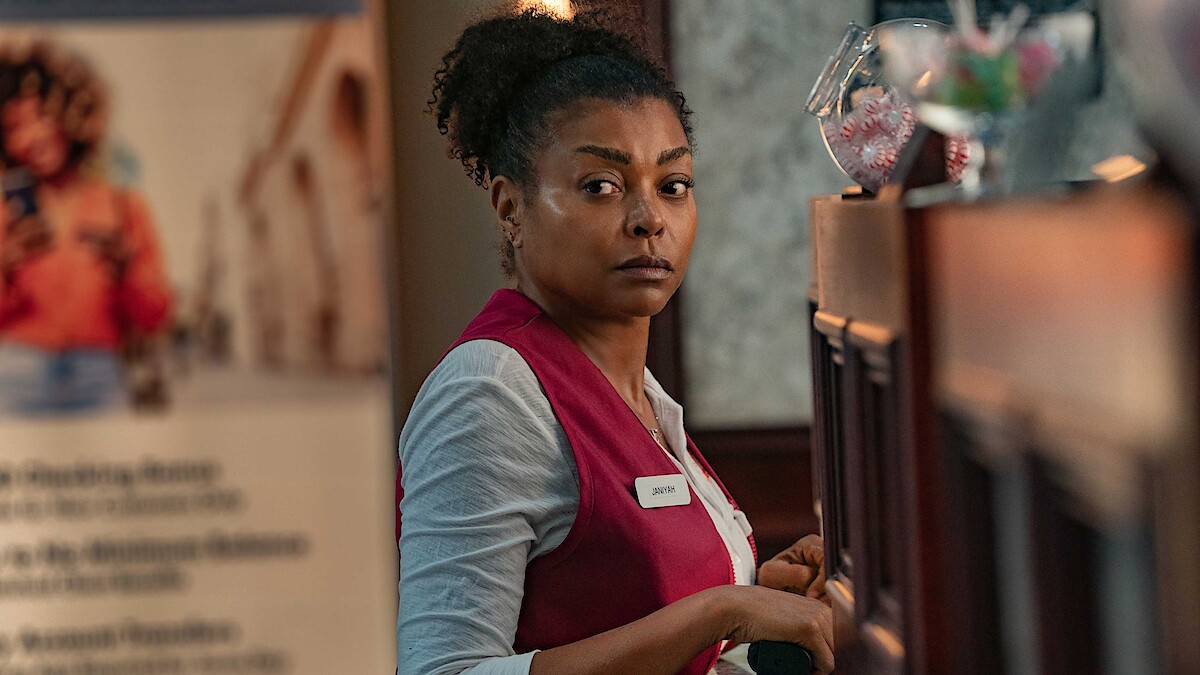

Netflix's 'Forever' Reminded Me Why First Love Hurts So Good
Mara Brock Akil adapted Judy Blume's classic for a new generation—and gave us permission to grieve what was never meant to last
There's a moment in Netflix's Forever—somewhere between the softness of first touches and the ache of last words—that just sits with you. It lingers. Like the scent of a hoodie you can't bring yourself to wash yet. Or a voicemail you keep meaning to delete but can't.
And if you've ever loved someone so deeply that the leaving was louder than the loving, this series will undo you—in the gentlest, most necessary way.
A Story That Needed a Black Lens
Adapted from Judy Blume's groundbreaking 1975 novel, Forever has been reimagined for the streaming generation by Mara Brock Akil—the brilliant mind behind Girlfriends, Being Mary Jane, and The Game. And she's done something special here. She took a story that once lived in the pages of white suburban adolescence and gave it an entirely new life—rooted in Black joy, vulnerability, and the quiet rebellions of girlhood.
Set in 2018 (on purpose), Forever tells the story of Keisha and Justin—two high school seniors in suburban Atlanta whose love feels urgent and true. Their relationship unfolds like a playlist you can't skip: sweet, passionate, then raw and restless. From long text threads to rooftop makeouts, from clumsy first times to family pressure and political awakening, the show explores what it means to grow up in a world that demands your attention before you even know who you are.
But don't get it twisted. This isn't a typical teen drama. And it's not a fantasy, either. It's a soft punch to the gut. Because the beauty of Forever is that it doesn't ask young love to be perfect. It asks it to be honest.
And honesty? That's where it hurts.
"Love Is Real. Even When It Ends."
Mara Brock Akil doesn't just tell stories—she speaks to our insides. Her shows have always made space for complicated women, messy choices, and deep inner lives. And in Forever, she's created something deeply familiar: the ache of being young, Black, and full of dreams that are too big to stay small.
Keisha and Justin don't break up because they stopped loving each other. They break up because they outgrow the world they built together. Because love, as this series reminds us, isn't always enough to hold two people who are becoming themselves at different speeds.
And that ending? Whew.
It's not a betrayal—it's a becoming. It's the quiet understanding that choosing yourself is also an act of love. That sometimes the most grown thing you can do is walk away from the thing you swore would last forever.
And listen—as a woman in my early 30s, watching this story unfold felt like flipping through my own diary. The intensity of your first love is a high you think you'll never come down from. But time has a way of shifting everything. What felt like forever at 17 might look like a detour at 30. And that doesn't make it any less real.
It makes it formative.
Why 2018? Why Now?
The show's timeline wasn't random. By setting the story in 2018, Forever gives us the last "normal" year before the world turned upside down. Before the pandemic. Before the protests. Before the everything-ness of now.
It allows the show to explore the quiet backdrop of Black life before it became globally politicized again. The subtle pressures of "doing well" in a world that still doesn't always see you. The family expectations. The church. The code-switching. The prep school dreams. All of it.
By anchoring Keisha and Justin's story in that moment, Akil gives us space to sit with a version of ourselves we might have forgotten. A version still hopeful. Still uninterrupted. Still soft.

Mara Brock Akil's Quiet Magic
It's not lost on me that Mara Brock Akil—one of the most prolific Black women in television—chose to revisit Forever now. In an age of reboots and recycled storylines, she made this one count. She took Judy Blume's original narrative and filled in the silences with Black nuance. With softness. With space.
Akil knows how to hold complexity. And Forever gives us that in abundance. The joy and the confusion. The longing and the release. The kind of storytelling that leaves room for sighs and pauses and remembering your own "Justin."
We Don't Talk Enough About Letting Go
Here's the thing we don't say enough as Black women: it's okay to let go of someone you loved deeply. Even if it ended without a villain. Even if it was mostly good. Even if you swore you'd never lose touch.
Forever reminds us that love isn't always about lasting. Sometimes, it's about learning. About timing. About becoming. And it takes a certain kind of emotional maturity to say: this mattered, and it's okay that it ended.
So to all the Keishas watching this show with tears in their eyes and a lump in their throat—this is for you. For the healing. For the remembering. For the way we keep choosing ourselves even when it hurts.
Press Play and Sit With It
The Forever soundtrack already hits, but if you need something to carry you through the feelings, check out Forever: A Love That Changed Me—curated by Premier Sound Music. It's soulful, reflective, and perfect for the long walks after heartbreak, the soft mornings when you're still missing them, and the late-night journaling sessions where the tears just sneak up on you.
Let it play while you process. While you remember. While you remind yourself you were always the main character.
Final Thoughts
Forever is more than a teen drama. It's a reckoning. A mirror. A memory.
It's for the girl you were and the woman you're still becoming.
And maybe that's the magic—some stories don't end. They just evolve.
And so do we.
🖤
NEVER MISS A THING!
Subscribe and get freshly baked articles. Join the community!
Join the newsletter to receive the latest updates in your inbox.